A client came to us a few weeks after liposuction with three fresh bruises across her flank. She had booked two "lymphatic massages" elsewhere and described the sessions the way you might describe a sports massage: elbows, knuckles, pressure she had to breathe through. She asked, reasonably, whether she was simply not tough enough for this part of recovery.
She was tough enough. What she had been given was not lymphatic drainage. It was deep work with a fashionable name attached to it, and on tissue that had been through surgery two weeks earlier, it was doing the opposite of what she had paid for.
This article exists because we hear a version of that story every month. The term "lymphatic" has become a label anyone can put on a menu, and a person recovering from surgery has no easy way to tell, from a booking page, whether the studio they are about to visit understands the difference. So here is the difference, in plain terms, and a short way to check before you book.
What real lymphatic drainage actually feels like
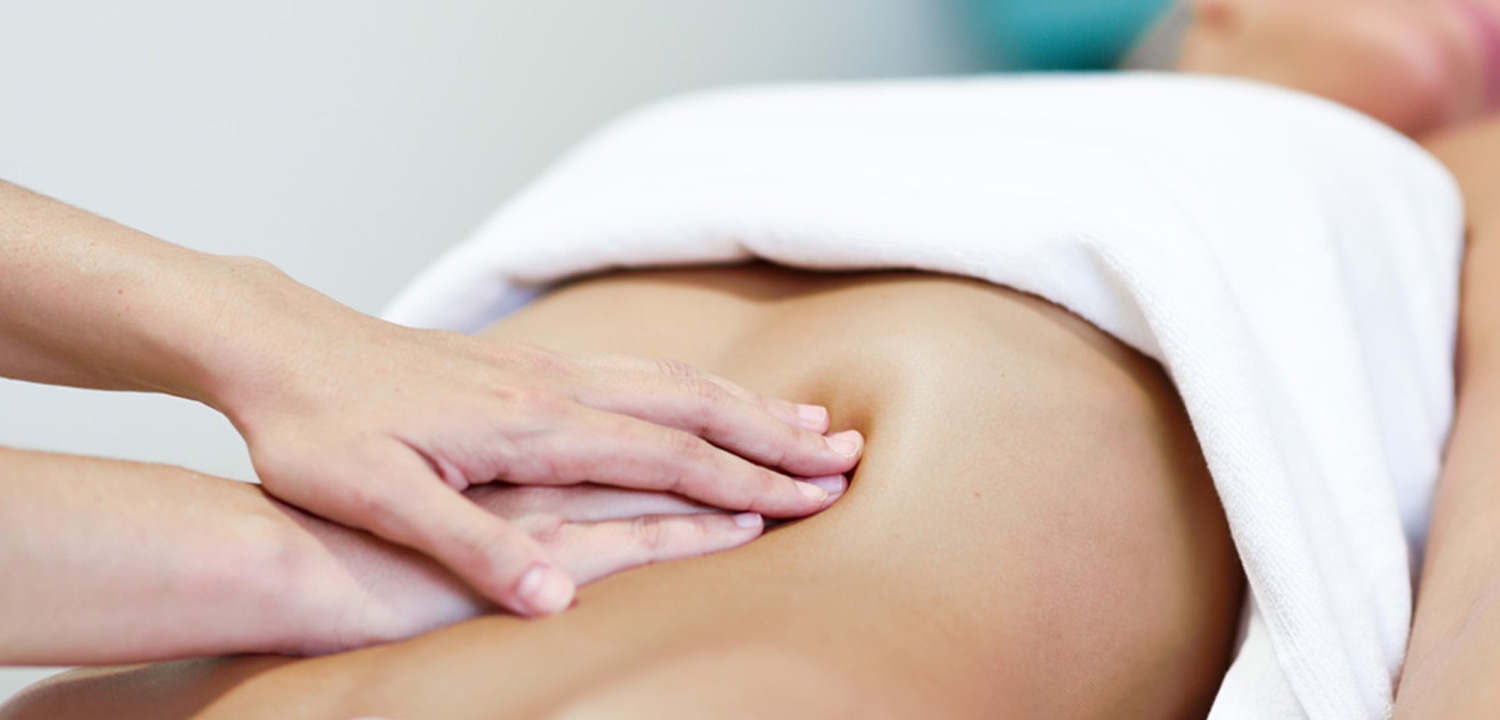
The lymphatic vessels that carry fluid away from a healing area sit just beneath the skin. They are small, they have no pump of their own, and they respond to a very specific kind of touch: light, slow, and directional. The classic description is that the hand moves the skin, not the muscle underneath it. If you have ever had your abdomen gently stretched in slow circles toward your groin and thought "is that it?" — that was probably the real thing.
Most first-time clients are surprised by how little pressure is involved. Some are quietly disappointed for the first ten minutes. Then the session ends and they notice the swelling has softened, they can breathe more easily against the garment, and they are not sore the next morning. The drama in this work is in the timing and the direction, never in the force.
Why pressure is the whole point after surgery
Think about what has just happened to the tissue after lipo, a tummy tuck, or a BBL. Small vessels have been disrupted on purpose. The area is flooded with fluid because that is how the body responds to injury, and your lymphatic system is trying to clear it faster than it is designed to. Three things go wrong when someone applies deep pressure to that landscape:
- New bruising on top of surgical bruising. Capillaries that were healing get broken again. That is what our client was seeing on her flank, and it can set the visible recovery back by days.
- More swelling, not less. Aggressive work is an irritant. The body answers irritation with more fluid, which is the one thing you were trying to reduce.
- Pain that changes how you move. After a painful session, people brace, shallow-breathe, and stop taking the short walks that genuinely help lymph move. The knock-on effect is quiet but real.
None of this means a firmer touch never has a place in recovery. Later on, when your surgeon has cleared it, some clients benefit from more directed work on areas that feel dense. But that is a decision made at a specific stage, with your surgeon's protocol in hand — not a default setting on day nine.
How we approach it in the studio
Three parts of how we work exist specifically to protect against the story at the top of this article.
- We ask before we begin, and we ask again during. Every session opens with your procedure, your surgeon's timeline, and how you have been feeling. Pressure check-ins during the session are part of the work, not an interruption to it. If anything feels sharp, we want to hear it in the moment.
- One client at a time, in a private studio. There is no next appointment pressing on yours and no second table in the room. That matters for pressure, because rushed hands are heavy hands.
- We work under your surgeon's plan. When drainage starts, how often, and how firm it can become are questions your surgical team answers. We follow that plan, every time, and we tell you when a question belongs in their office rather than ours. Our studio sits on Wilshire Boulevard less than a mile from Cedars-Sinai, and much of what we do is coordinating with the practices around us rather than improvising around them.
Typical versus what to look for
| What you are checking | A pattern clients describe | What we practice |
|---|---|---|
| Pressure | Deep tissue technique with "lymphatic" on the menu | Light, slow, directional work that moves skin, not muscle |
| Intake | No questions about the procedure or the surgeon's timeline | Procedure, surgeon's protocol, and how you feel today — before the first stroke |
| Feedback | "Just breathe through it" | Pressure check-ins during the session; sharp pain stops the work |
| Setting | Shared rooms, back-to-back bookings | One client at a time in a private studio |
| Who decides the plan | The therapist's habit | Your surgeon's protocol, followed as written |
Five questions to ask any studio before you book
Use this checklist on anyone, including us. A therapist who has done the work will not mind being asked.
- How much pressure do you use for post-operative drainage, and how is it different from your other massages?
- Will you ask about my procedure and my surgeon's instructions before we start?
- What happens if something feels sharp during the session?
- Am I the only client in the room and on your schedule during my appointment?
- What would make you send me back to my surgeon instead of working on me?
If the answers are vague, or if the studio treats "lymphatic" and "deep tissue" as interchangeable words, keep looking. Your post-operative drainage sessions are not the place to be tough. They are the place to be careful.