
Most people meet lymphatic drainage in a crisis — after a surgery, during a stretch of swelling, on a physician's suggestion. They book it as an intervention, it does its job, and then it quietly exits their life with the rest of the recovery. Which is a little like meeting sleep for the first time during an illness and concluding it's a medical treatment.
A meaningful share of our regulars started as post-op clients who noticed something worth keeping. Here's the case for the monthly session — made carefully, because this is a field with an overstatement problem.
First, one paragraph of plumbing
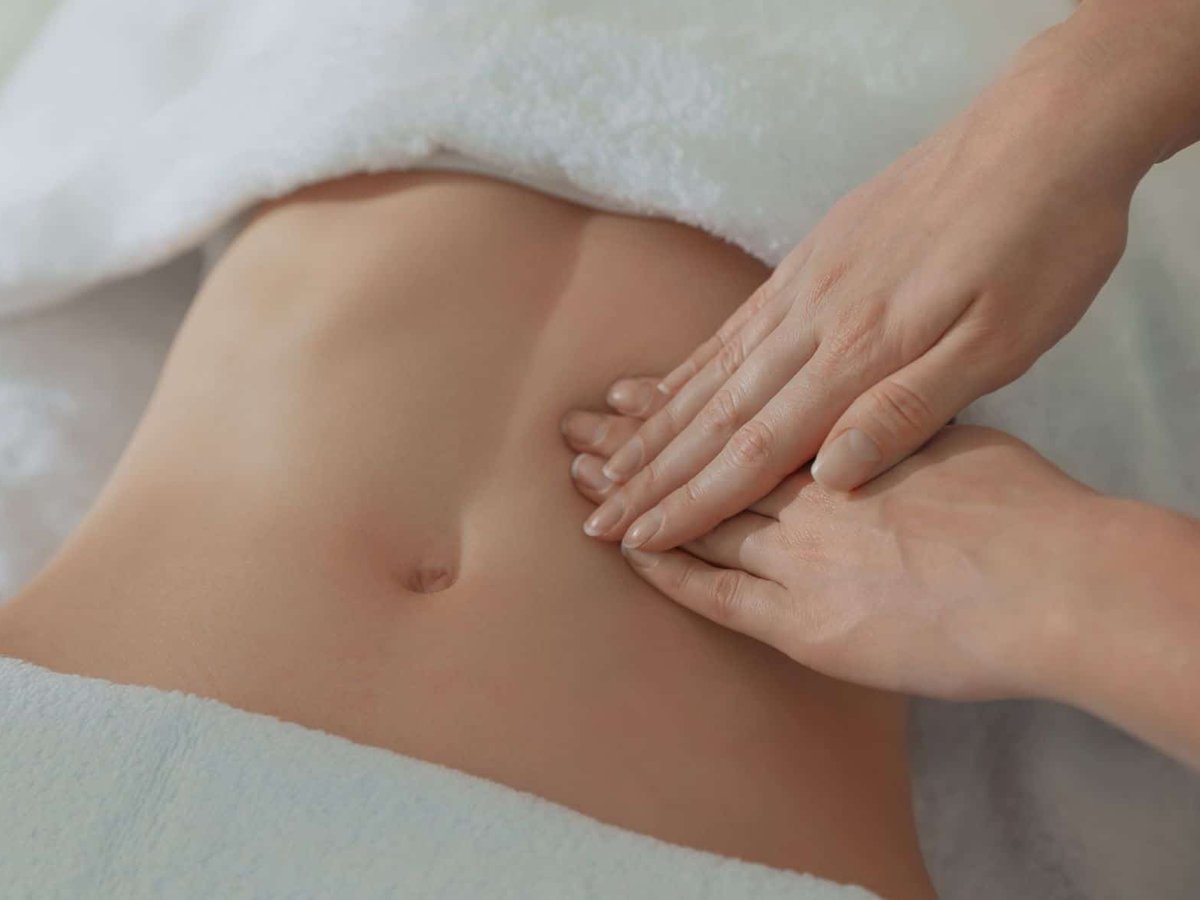
Your lymphatic system is the body's return line — a slow network that collects the fluid your circulation leaves behind in the tissue and carries it back into the bloodstream. Unlike your blood, it has no pump of its own. It moves when you move: muscle contraction, breathing, the mechanics of an active day. Manual lymphatic drainage assists that system directly — slow, light, rhythmic strokes that follow the direction the fluid already wants to travel. That's the entire trick. It's mechanical, not mystical.
Reason one: fluid actually moves
The de-puffed, lighter, "my rings fit again" feeling clients describe after a session is real, and it has a boring explanation: fluid that was sitting in the tissue got moved along. Long desk days, travel, salty stretches, hormonal cycles — ordinary life is full of things that slow the return line down. A session clears the backlog. We're equally direct about the flip side: the effect is temporary, which is precisely why a rhythm beats a one-off. A monthly session keeps the baseline from drifting, the way one workout doesn't change your fitness but a standing one does.
Reason two: it's the hour your nervous system gets
Lymphatic work is slow and light by definition — closer to a metronome than to deep tissue. Clients who expect the intensity of a sports massage are surprised to find themselves half-asleep in ten minutes. That downshift isn't a side effect; for a lot of our monthly regulars it's half the point. In a week with no unhurried hours in it, a standing appointment where nothing is asked of you is its own category of maintenance.
Reason three: a standing body check-in
When the same practitioner works on you every month, changes get noticed early — a swelling pattern that's new, tension that wasn't there in spring, the way one ankle is suddenly puffier than the other. We don't diagnose anything; that's not our lane. But "this is different from last month, ask your doctor about it" is a genuinely useful sentence, and it's one a monthly rhythm makes possible. You become easier to help, and you get better at reading your own body between visits.
What a monthly session won't do
Two things, said plainly, because "detox" is a word we use carefully around here.
- It won't flush toxins. Your liver and kidneys handle that, around the clock, without assistance from anyone's hands. What drainage moves is fluid — valuable, real, and not the same claim.
- It won't permanently change your shape. The slimmer look after a session is fluid leaving, not fat. It's a genuine effect with a honest shelf life. Anyone selling it as sculpting is selling the wrong service — that's a different kind of bodywork with different expectations.
It also won't replace sleep, movement, or medical care — nothing on our table does.
If you're trying the rhythm
The Los Angeles case is stronger than most cities can make. This is a town of long desk days, longer drives, red-eyes out of LAX, and event seasons that arrive on their own calendar — the exact inputs that slow the return line down. It's no accident that our monthly regulars skew toward people whose weeks are built around a commute and a terminal, or that bookings cluster before awards season the way other cities cluster before beach summer. The studio is on Wilshire Boulevard in Beverly Hills; for most of our regulars the session slots into a workday, not around one.
Monthly is the baseline that works for most people; some prefer every three weeks in heavy travel seasons or ahead of events. The five-session pack exists because rhythms are easier to keep when they're already paid for. Start with one session, see how the week after feels, and decide with real information.