There is a particular kind of disappointment that only shows up after surgery. You have paid for the procedure, arranged the time off, wrapped yourself in a garment you are still getting used to, and driven across town swollen and sore for a session you were told would help. Then it is over in forty minutes, or the therapist kept glancing at a screen, or nobody asked what procedure you had before their hands were on it.
We hear these stories often enough that we wanted to write down what a full post-operative lymphatic session actually contains. Not as a criticism of anyone in particular — the people who tell us these stories never name names, and neither will we — but because a client who knows what a complete session looks like can recognize one, and can recognize its absence.
Why a shortened session costs more after surgery
A wellness massage cut short is an annoyance. A post-operative drainage session cut short is something else, for three reasons.
- Drainage is sequential. The work opens the pathways closer to the trunk first, then moves outward to the swollen area, then guides fluid back along the route it just opened. Skip the first part to save time and the rest of the session is pushing fluid toward a door that was never unlocked.
- The early weeks are the cooperative window. Fluid that is still mobile responds; fluid that has settled takes far more sessions to move. A session that delivers half the time in week two is a session you cannot get back in week five.
- Attention is the technique. Light, directional work is guided by what the hands feel — a dense patch here, a tender area there. A therapist watching a phone is not feeling anything. The pressure drifts, the direction drifts, and the session becomes a rub rather than drainage.
A complete session, start to finish
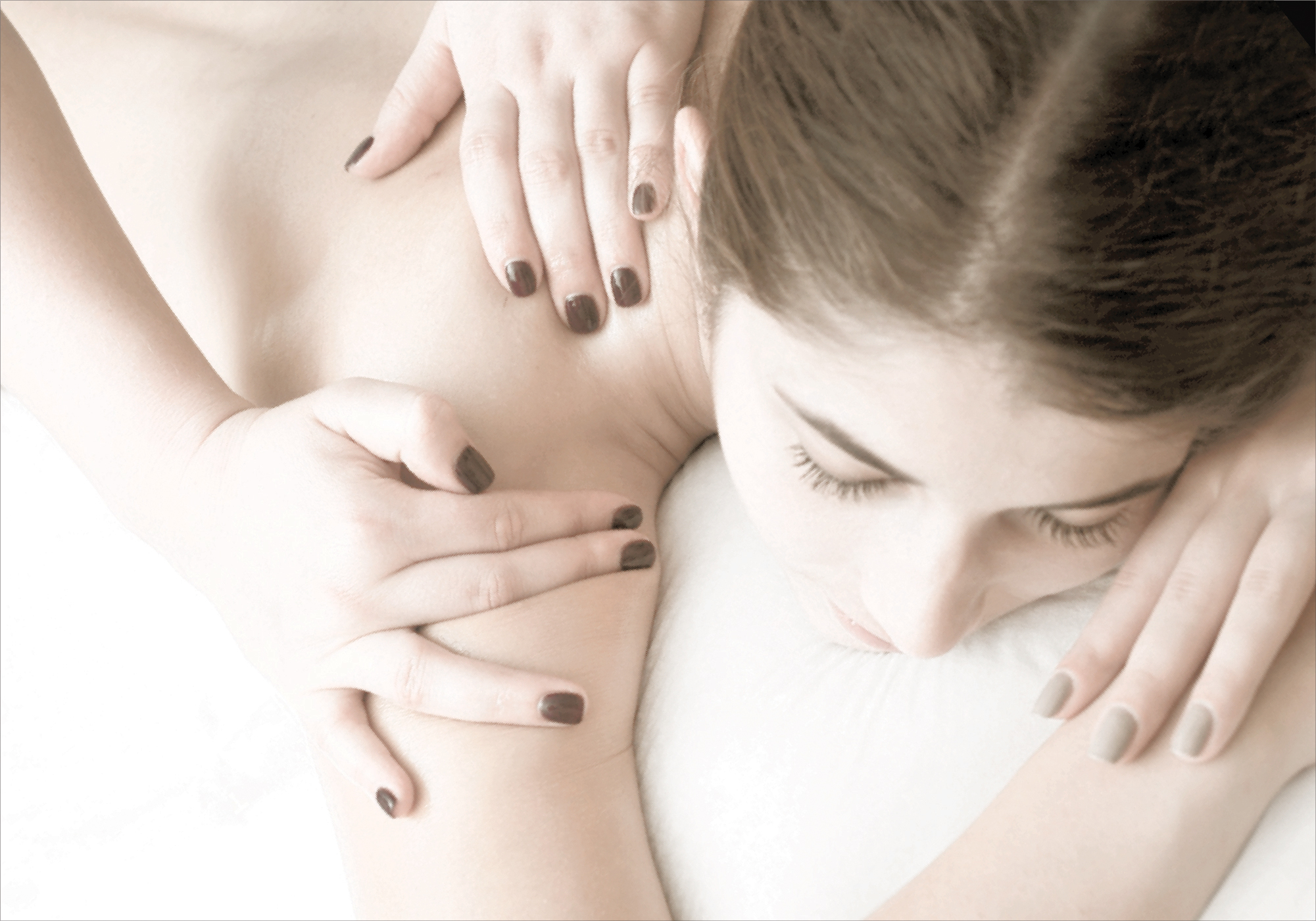
This is how we run ours. The minutes below are approximate for a sixty-minute post-operative body session; the ninety-minute version widens the middle.
- Minutes 0–5 — the conversation. Which procedure, which surgeon, how many days out, what the surgical team has said about timing and garments, and how you are feeling today. This is not paperwork; it decides what the next fifty-five minutes look like. If your surgeon has sent instructions, they come out now.
- Minutes 5–10 — the look and the garment. We look at the areas we will work and at how the compression is sitting. A rolled waistband or a garment two sizes off is worth catching before we begin, because compression and drainage do the same job from two directions.
- Minutes 10–20 — opening the pathways. Light, rhythmic work near the neck, armpits, abdomen, and groin — the junctions fluid has to pass through on its way out. Clients sometimes ask why we are working somewhere that was not operated on. This is why.
- Minutes 20–50 — the operated area. Slow, directional strokes across the swollen tissue, always toward the pathways just opened, always at a pressure you confirm with us. This is the part people picture when they book, and it only works because of the ten minutes before it.
- Minutes 50–55 — closing the route. A return along the same pathways so the fluid we mobilized has somewhere to go.
- Minutes 55–60 — what to do until next time. Garment, walking, hydration, sleeping position, and what to watch for that belongs in your surgeon's office rather than ours. You leave with instructions, not just a booking link.
How we protect the time you booked
- You receive the full booked time, hands on. The conversation and the aftercare are part of the session, but the clock does not start before you are on the table and the hands-on work is not trimmed to make room for them. This is published on our FAQ because clients kept asking.
- One client, one room, no overlap. Our studio is a private practice — there is no adjoining table and no next booking waiting in the hallway to hurry the end of yours.
- Pressure check-ins are built in. We ask during the session, not only at the end. A session you have to brace through is a session that is not being done correctly.
- The plan is your surgeon's. Session frequency, when to start, and when to change the work are set by your surgical team's protocol. We follow it, and much of the coordination happens with practices a short distance from our door on Wilshire Boulevard, less than a mile from Cedars-Sinai.
Typical versus what to expect
| What you are checking | A pattern clients describe | What we practice |
|---|---|---|
| Session length | Late start, early finish, "we'll credit you" | The full booked time, hands on |
| Attention | Phone in hand, conversation elsewhere | Attention on the tissue; the technique depends on it |
| Intake | No questions about the procedure | Procedure, surgeon, timeline, and today's symptoms — first five minutes |
| Aftercare | A booking link on the way out | Garment, movement, hydration, and when to call your surgeon |
| Room | Shared space, back-to-back clients | One client at a time, private studio |
A simple way to check any session you receive
- Did someone ask which procedure you had and what your surgeon said before starting?
- Did the work begin near the trunk before moving to the swollen area?
- Were you asked about pressure during the session, not only after?
- Did the hands-on time match what you booked?
- Did you leave knowing what to do before the next session?
If most of those are a no, you have learned something useful about that studio, and you are entitled to ask for better. Post-operative care is the one massage where every minute has a job. Book it with someone who treats it that way — our post-operative sessions run sixty or ninety minutes for exactly this reason.