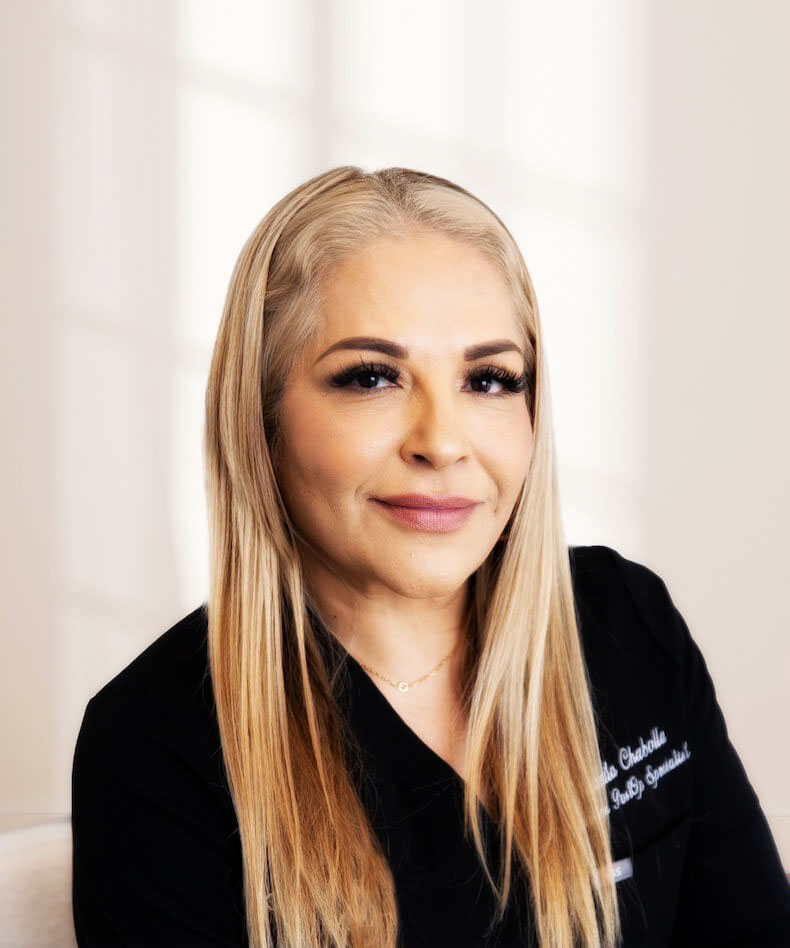
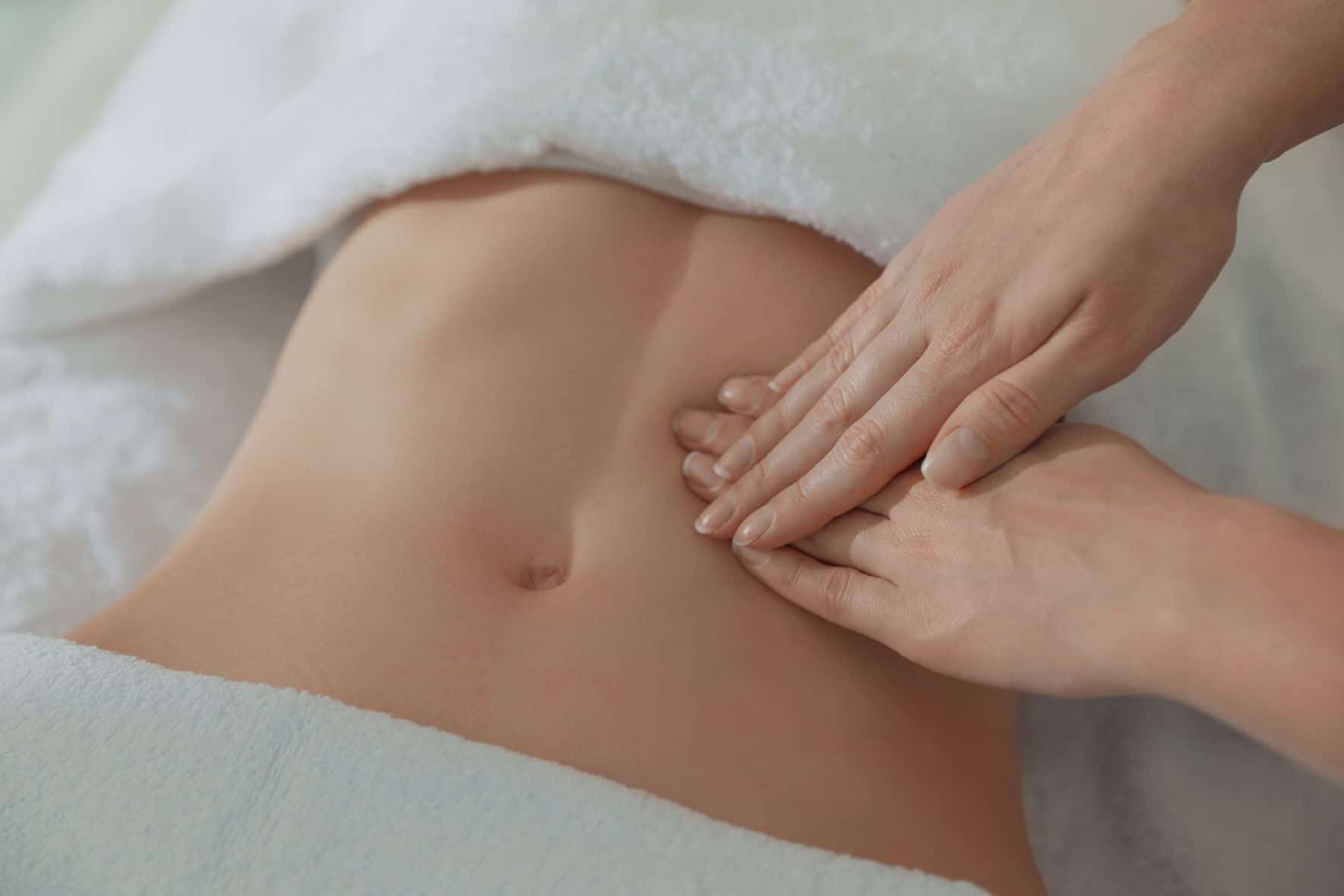
At Lymphyx in Beverly Hills, the question behind most wellness bookings is some version of "why am I puffy, and what can I do about it between sessions?" The short answer is that the lymphatic system has no heart behind it. Lymph moves when the body moves — skeletal muscle squeezing the vessels, the pressure changes of breathing, and the vessels' own slow contractions — so a day spent still, salty, short on sleep, or short on water is a day it runs slower. Juanita Chabolla, licensed massage therapist and founder of Lymphyx, put seven of those days into a fifteen-second reel. This is the longer version: what each habit has to do with how lymph actually moves, what she tells clients to do instead, and where a session on Wilshire Boulevard fits.
How does the lymphatic system actually move?
The lymphatic system is the body's return line: a slow network that collects the fluid circulation leaves behind in the tissue and carries it back toward the bloodstream, re-entering at the base of the neck — which is why every session here opens at the collarbones. It runs slower than your blood, and it is not driven by a central pump. Lymph is moved by a combination of outside forces — skeletal muscle contracting around the vessels and the pressure changes of breathing — and by the vessels themselves, whose segments between the valves contract on their own and squeeze lymph forward (Scallan and colleagues, J Physiol, 2016).
That is the whole premise of the reel. The same system runs well or badly depending on what the day asked of the body, and fluid it has not moved along settles into the low points — the ankles, the lower legs, the midsection — which is why the week's habits show up where they do.
The seven habits, and what to do instead
These are Juanita's seven, in her order, with her advice quoted from the reel. The notes under each one are ours, and they are deliberately modest: none of this is a treatment claim, and none of it replaces anything your physician has told you.
1. Sitting for hours
"Long stretches without movement can allow fluid to pool, especially in your legs." A desk day is the clearest case of the system losing its outside help: the calf and thigh muscles that would normally squeeze the vessels are idle for hours, and the legs are the low point the whole time. The fix is unglamorous. Stand up, walk the corridor, and do it again an hour later.
2. Standing for long periods
"Standing still can contribute to swelling. Take walking breaks or gently move your calves." Standing is not the opposite of sitting; it is the same problem with the same low points. A retail shift, a long event in heels, a day behind a counter loads the legs for hours with very little muscle movement to help the fluid back up. Calf raises where you stand, a real walk on the break.
3. Skipping regular movement
"Your muscles help move lymph fluid. Walking and gentle exercise support that process." This is the habit the research is most direct about: skeletal-muscle contraction is one of the outside forces that moves lymph, in the same review cited above. People search for "lymphatic walking" as if it were a technique. There is no special stride. The mechanism is muscle contraction and breathing, and both happen on an ordinary walk — regularity is the technique. One caution the reel did not have room for: if you are recovering from surgery, the walks you take are the short, frequent ones your surgeon approved, not a new fitness plan.
4. Processed foods
"Many are high in sodium, which can increase fluid retention and puffiness. Try adding more whole foods to your diet." Of the seven, this one has the clearest published mechanism: dietary sodium is tightly linked to the body's water balance, and a rise in salt intake is followed by water held in the fluid around the cells rather than being fully cleared by the kidneys (Curr Opin Nephrol Hypertens, 2014; Proc Natl Acad Sci USA, 1996). That is why a salty dinner can leave you feeling fuller the next morning with no change in body fat at all — and why the lighter feeling after a session is fluid leaving, not fat. Nobody at the studio is going to hand you a meal plan. Read labels for a week and notice where the sodium is.
5. Poor sleep
"Quality sleep supports overall recovery, try cutting down on screen time before bed." We are not going to claim a mechanism for this one. We do not have a source that ties a short night to lymph flow, and we would rather say so than invent one. What we can say is what clients tell us: the face is where a short night shows first, and people who come in after a bad week of sleep describe feeling puffier than their scale explains. Juanita keeps it on the list because it is the habit most people can change tonight.
6. Chronic dehydration
"Adequate hydration supports normal fluid balance. Drink regularly throughout the day." It sounds backwards — drink more water to hold less fluid — but it is the same advice we give between post-operative sessions: dehydration makes swelling feel worse. "Regularly" is the operative word in her sentence, and it is the part people skip.
7. Shallow breathing
"Deep belly breathing uses your diaphragm to help support lymph movement. Take a few slow, comfortable breaths." The pressure changes of breathing are the other outside force in that same review, which is why diaphragmatic breathing turns up in so much lymphatic advice. It is also the one habit on the list you can do in a meeting without anyone noticing.
Can you do lymphatic drainage at home?
The honest answer is that the list above is the at-home part, and it is free. What it is not is a session. Manual lymphatic drainage is slow, light, directional work that opens the pathways at the neck before it goes anywhere near the area that feels puffy; the order and the pressure are the skill, and both are hard to do on yourself. We have written separately about why the pressure is light and what it means if a "lymphatic" massage leaves marks. If you want a self-care routine, the seven habits are it. If you want the fluid moved in an hour, that is what the wellness session (from $225) is for — and its effect is temporary by design, which is why a monthly rhythm beats a one-off. If you are recovering from surgery, none of this is a substitute for the plan your surgeon wrote; that path starts at post-operative care.
What the reel shows
Fifteen seconds in the studio with a client who agreed to be filmed: a towel draped at the hips, the abdomen bare, Juanita's hands working slow, flat, directional strokes across it — the midsection step of a lymphatic drainage session. The seven habits are in the caption; the hands are the point of the footage, and the pressure you can see is the pressure to expect.
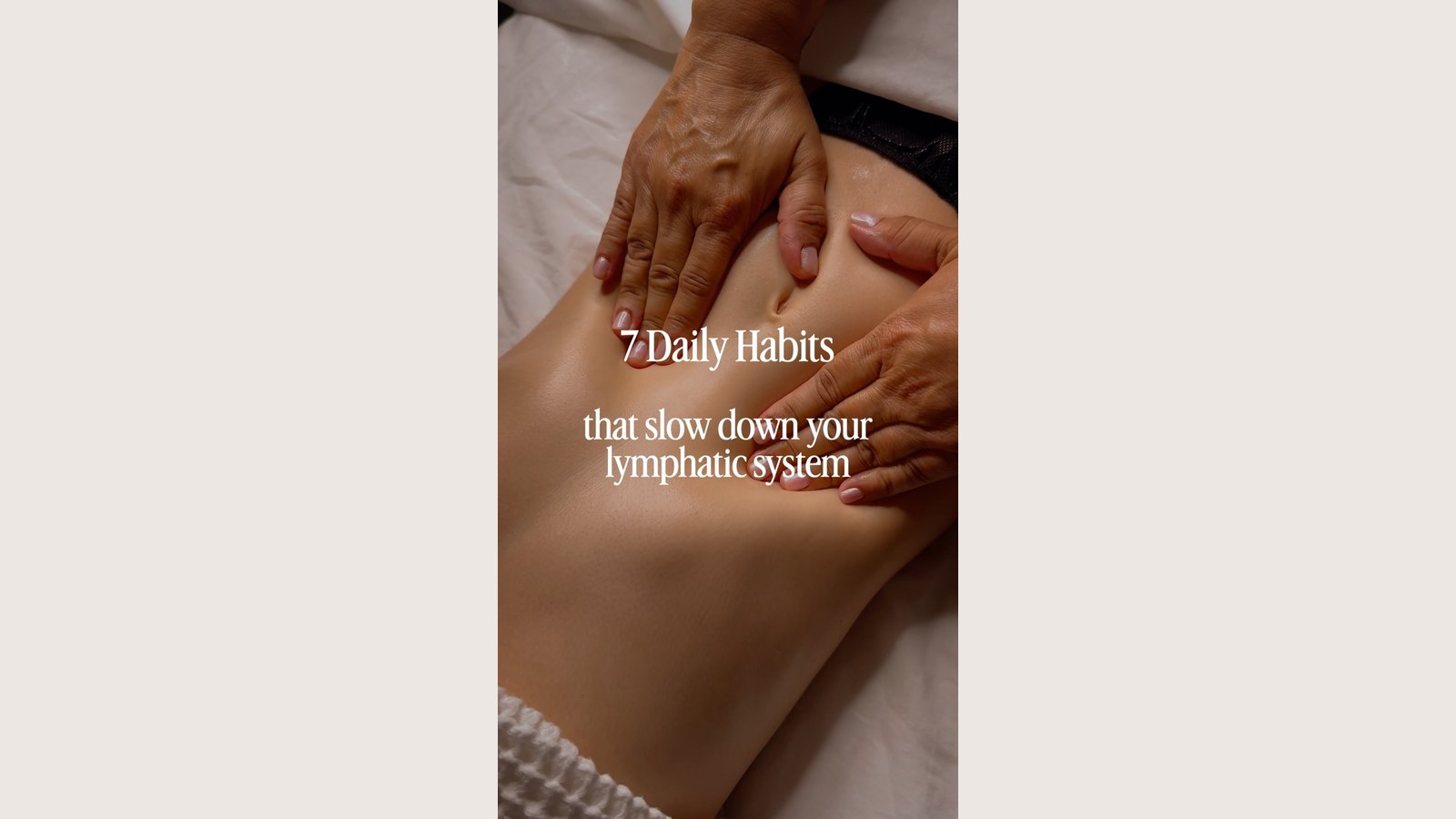 ▶ Watch the reel
Before you book in Beverly Hills
Everyone who is not recovering from surgery books the wellness session directly: sixty, ninety, or one-hundred-twenty minutes, one client at a time, at 9150 Wilshire Boulevard in central Beverly Hills, with clients coming in from Beverly Hills, West Hollywood, Century City, and the Westside of Los Angeles. Pregnant clients book after the first trimester with their OB's clearance. Bring the list. Half the value of a standing session is that the same practitioner notices when one ankle is puffier than it was last month — and asks which of the seven it was.